


Have you ever reached into your pantry, grabbed an onion, and paused, wondering if it’s still good? An onion has usually gone bad if it feels soft or slimy, smells sour or rotten, has visible mold, leaks moisture or looks dark and mushy inside.
Sprouting is a little different: an onion that has started growing green shoots is old, but it isn't automatically spoiled. If it's still firm, dry and smells normal, it may still be usable.
Below, I'll show you exactly what to check, how long onions last and the best way to store them so they stay fresh for longer.

How to Tell If an Onion is Bad at a Glance
| What you notice | What it usually means |
| Firm, dry and smells normal | Fresh |
| Sprouting but still firm and dry | Old, but not automatically spoiled |
| Loose or damaged dry outer skin | Not necessarily spoiled |
| Soft, mushy or slimy | Throw it away |
| Visible mold | Throw it away |
| Wet or leaking | Throw it away |
| Sour or rotten smell | Throw it away |
| Dark, wet or mushy inside | Throw it away |

Hi, I'm Romy 👋
I'm a vegan recipe developer & food photographer. I use ingredients like onions all the time, test recipes weekly and share what actually works (and what doesn't).
Jump to:
- Do Onions go Bad?
- 🧅 How to Tell If an Onion Is Bad: 5 Signs
- What Doesn't Always Mean an Onion Is Bad?
- How to Tell If a Red Onion Is Bad
- How Long Do Onions Last?
- ❄️ How to Store Onions So They Last Longer
- ⚠️ Common Mistakes When Storing Onions
- 🔪 What to Do with Leftover or Sprouted Onions
- 🔜 Recipes For Using Up Onions
- 💡 FAQs About Onion Storage and Spoilage
Do Onions go Bad?
Yes, onions can go bad. Whole onions generally last much longer than cut or cooked onions, but eventually they can become soft, slimy, moldy or develop an unpleasant smell.
An onion that's simply sprouting or has loose, dry outer skin isn't necessarily spoiled. The best way to check is to look at the texture, smell, surface and inside of the onion together.
🧅 How to Tell If an Onion Is Bad: 5 Signs
Here are the most common signs of a spoiled onion:
1. It Feels Soft, Mushy or Slimy
Fresh onions should feel firm and solid. If the onion feels noticeably soft, squishy or mushy when you press it, it is likely starting to spoil.
A slimy or slippery texture is an even clearer warning sign, particularly if the onion is also wet, discolored or smells unpleasant.
2. It Smells Unpleasant
A whole onion should not have a strong rotten, sour or musty smell. If the smell if immediately unpleasant when you pick it up or cut into it, it's best to throw it away.
Remember that a freshly cut onion naturally has a strong onion smell. The warning sign is a smell that seems sour, rotten or otherwise noticeably different.
3. There Is Visible Mold
White, green, or black mold on the skin, stem, or root is a clear sign of spoilage. Moldy onions should be thrown away.
4. It Is Wet or Leaking Moisture
Fresh onions should feel dry on the outside. If an onion is unexpectedly wet, leaking liquid or has damp, sticky patches, that can be a sign that the flesh underneath is breaking down.
Check it alongside the other signs above, particularly softness, smell and mold.
5. The Inside Is Dark, Discolored or Mushy
If you're still unsure, cut the onion open and look at the inside.
A good onion should feel firm inside. If the flesh is unusually dark, wet, mushy or slimy, particularly alongside an unpleasant smell, the onion should be discarded.
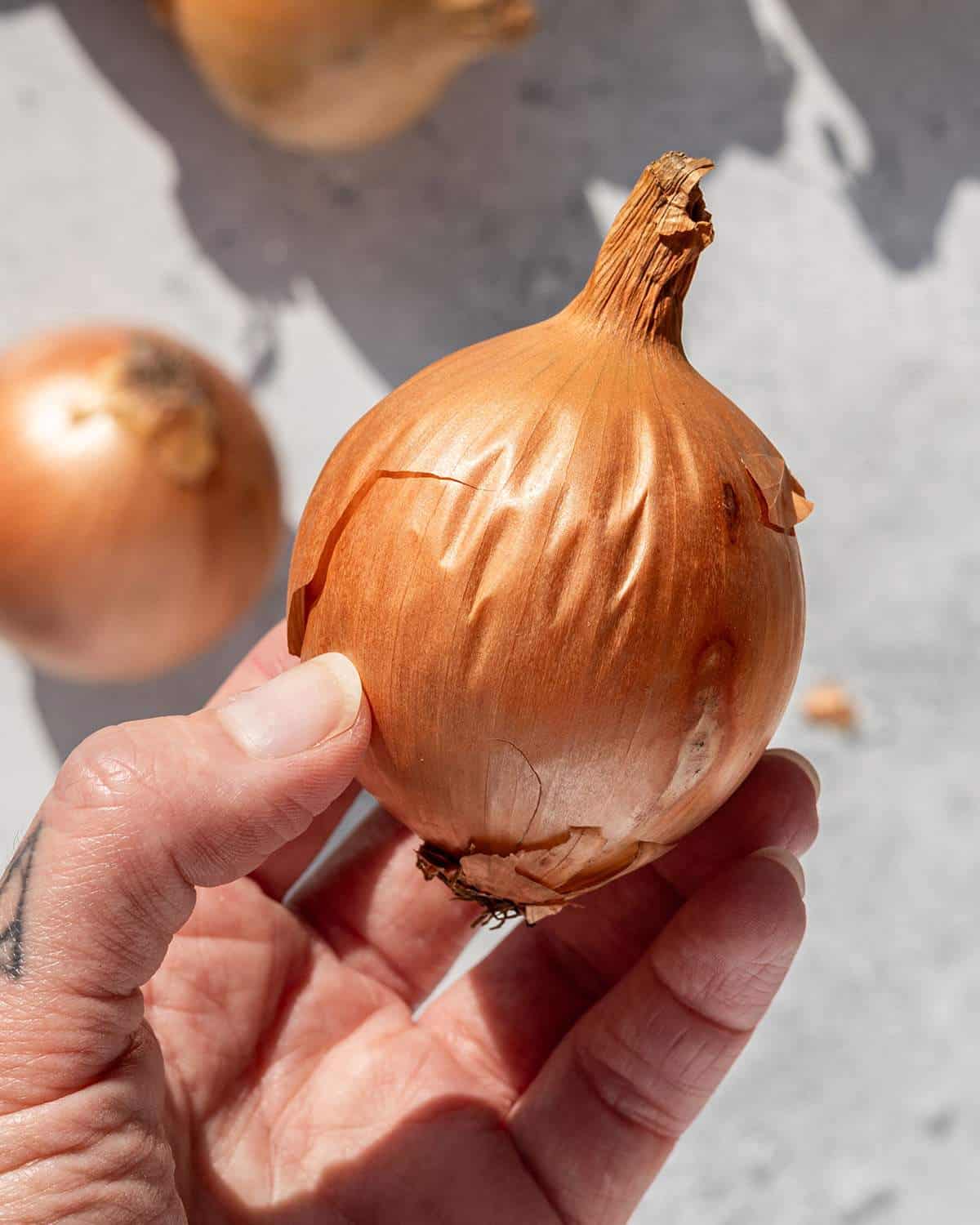
What Doesn't Always Mean an Onion Is Bad?
A Sprouting Onion
Green shoots coming from the top don’t always mean the onion is bad - you can still eat it if it’s firm and smells normal. Just cut off the sprout before cooking.
Loose or Damaged Outer Skin
The papery outer skin of an onion is protective packaging, basically. Damage may make the onion more vulnerable, but it does not necessarily mean the flesh itself is already bad.
If you see holes along with other signs like mold or bad smell, it’s best to avoid using it.
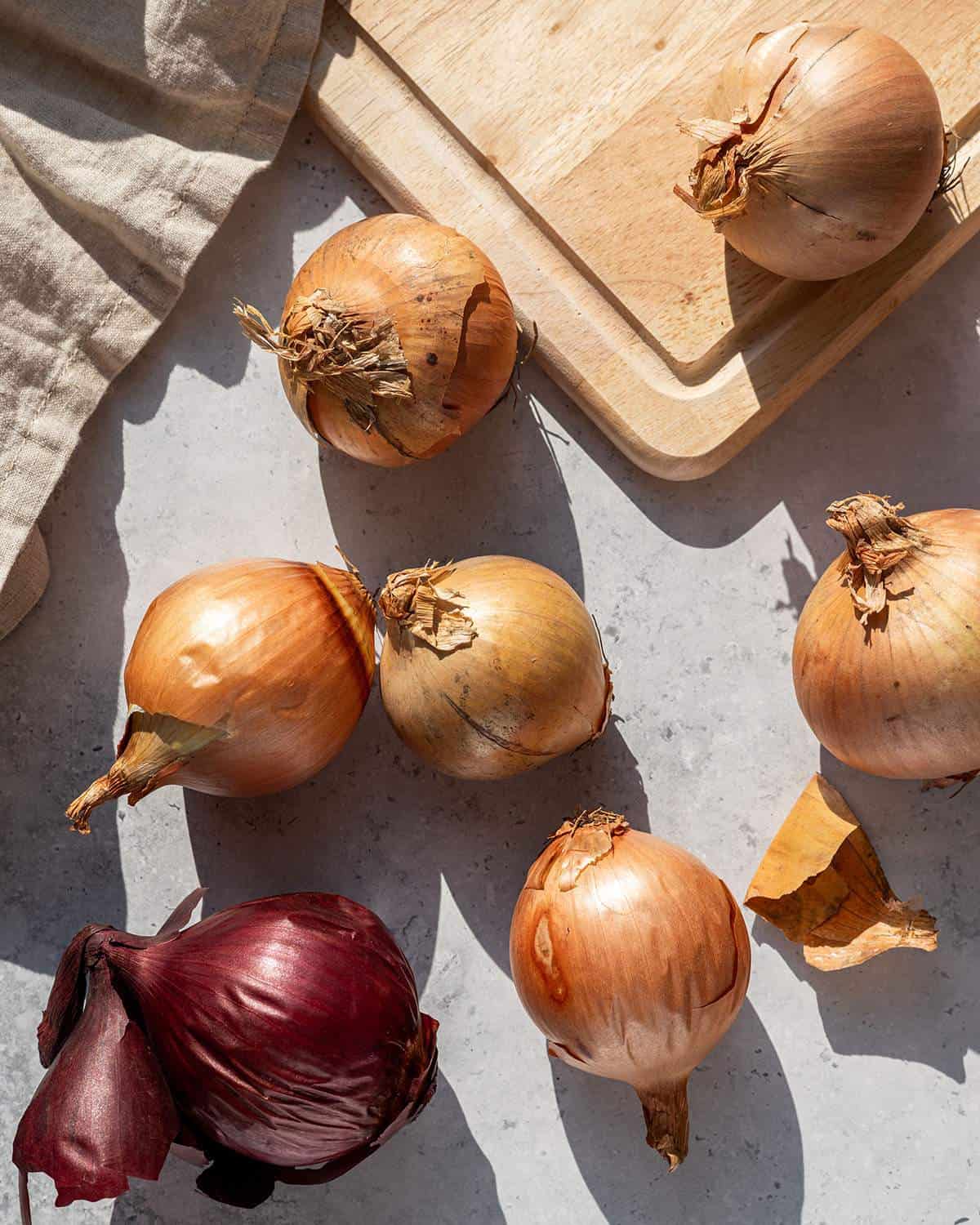
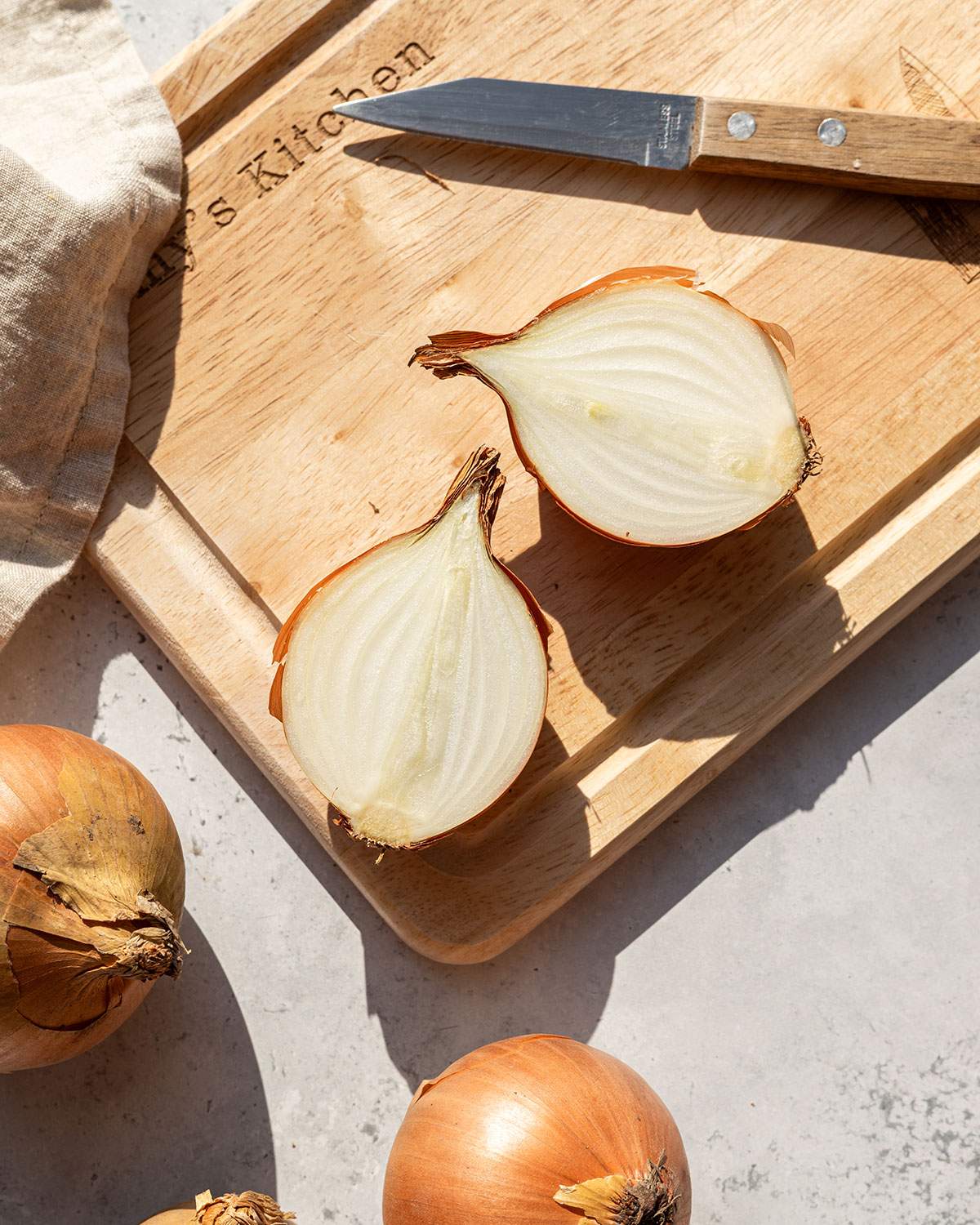
💡 False alarm: If your onion turns blue after cutting, it might just be a harmless reaction with alkaline foods (like certain garlic or stainless steel) - it doesn't necessarily mean spoilage.
How to Tell If a Red Onion Is Bad
The same spoilage signs apply to red onions: check for soft or slimy flesh, an unpleasant smell, visible mold, leaking moisture or a dark and mushy interior.
Because red onions naturally have purple outer layers and white-and-purple flesh, color alone isn't always the best indicator. Texture, smell and visible mold are usually more useful things to check.
How Long Do Onions Last?
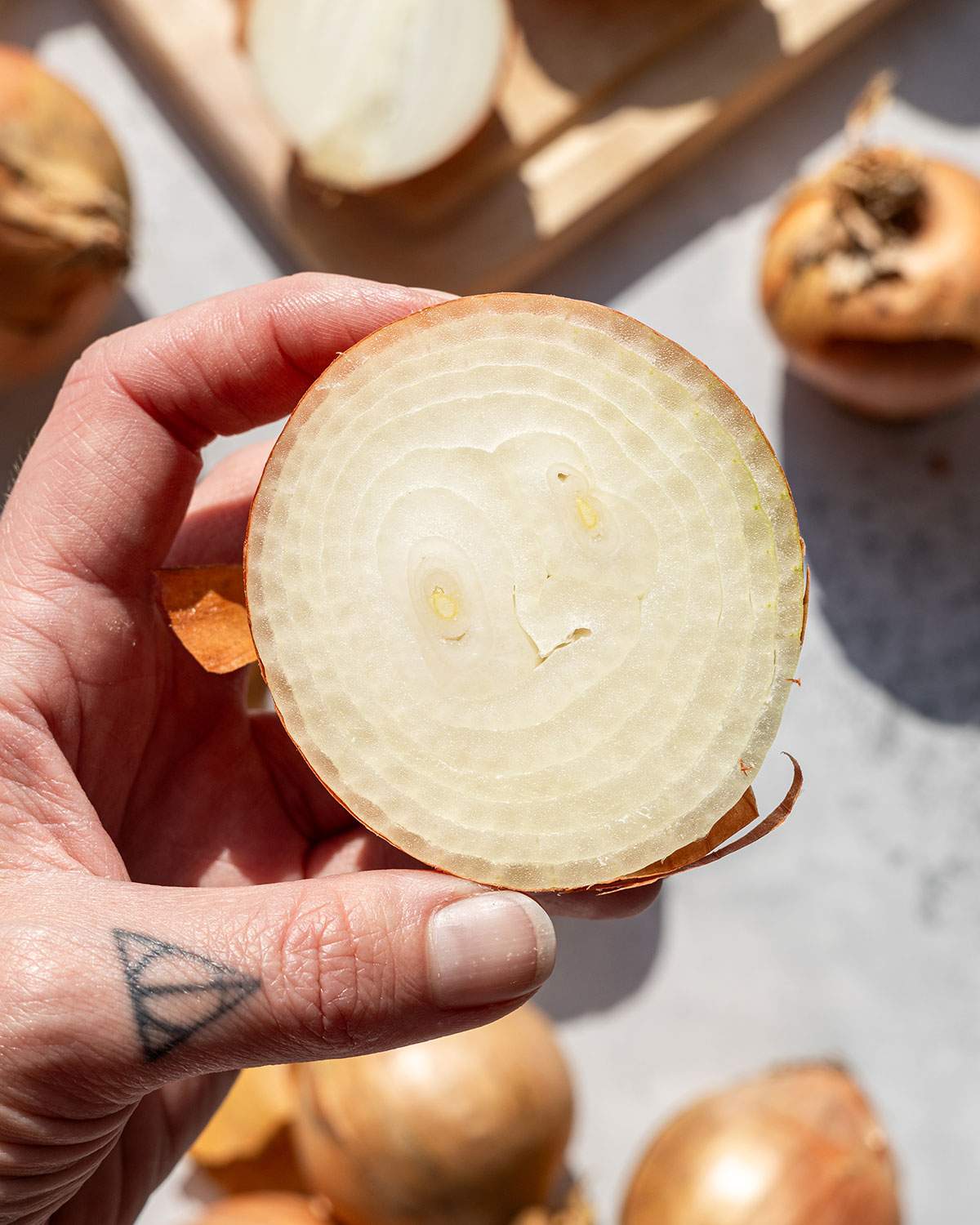
🗒️ Onion Shelf Life at a Glance
Whole, unpeeled
- Pantry: 2-3 months
Peeled / cut
- Refrigerator: 5-7 days
- Freezer: 6 months
Cooked
- Refrigerator: 3-5 days
- Freezer: 3 months
❄️ How to Store Onions So They Last Longer
Proper storage is key to extend the shelf life of onions and keeping them fresh.
Here’s how to store whole, cut, and cooked onions - plus common mistakes to avoid:
1. Whole Unpeeled Onions
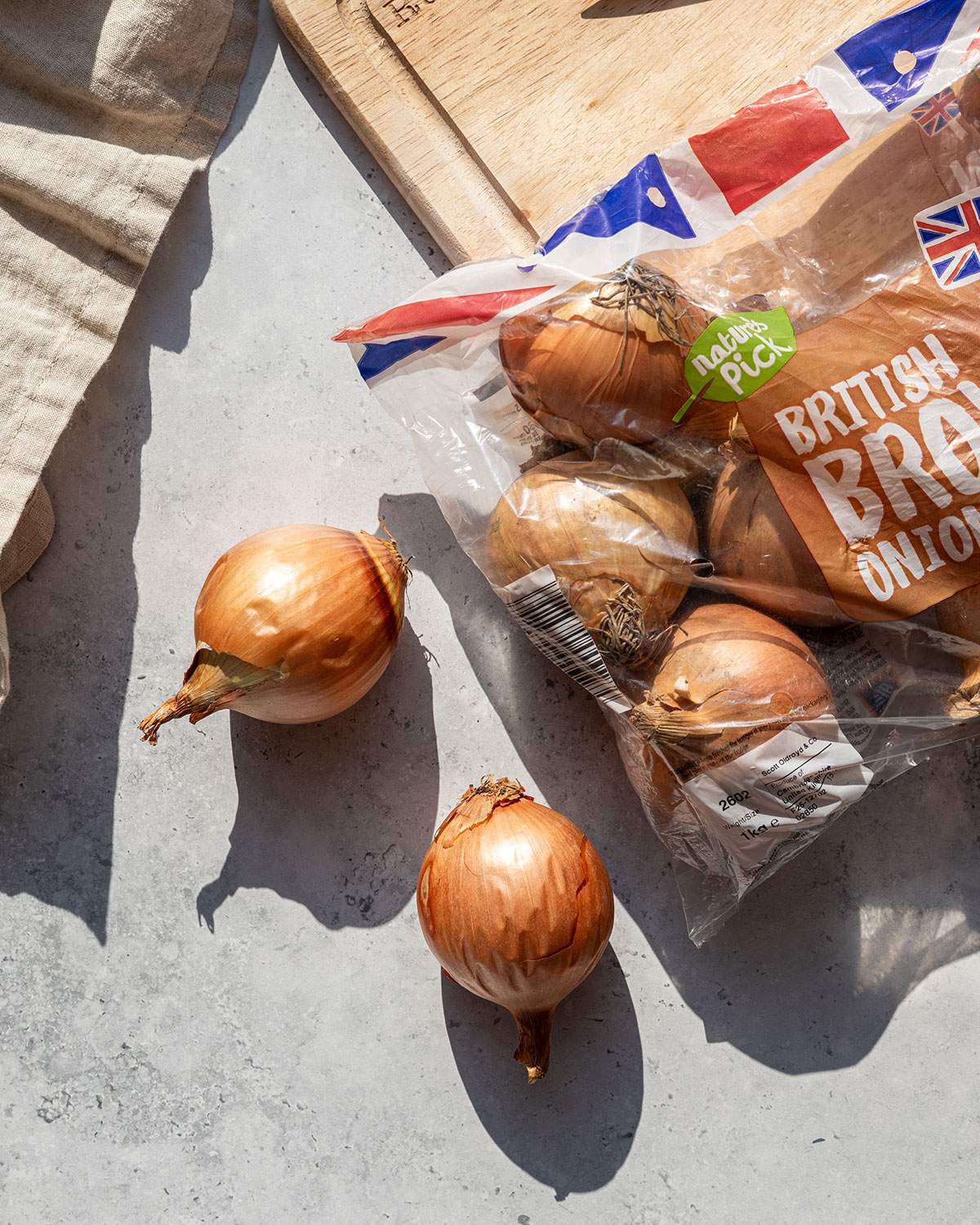
Store in a cool, dark, dry place with plenty of air circulation - such as a pantry, cupboard, or cellar.
Use a mesh bag, paper bag or open basket. Avoid sealed plastic bags, which trap moisture and cause mold. Here’s a great option for storing onions.
Keep away from potatoes: Onions release gases that can make potatoes sprout faster and spoil sooner.
Avoid direct sunlight: Light speeds up sprouting and reduces shelf life.
2. Cut or Peeled Onions
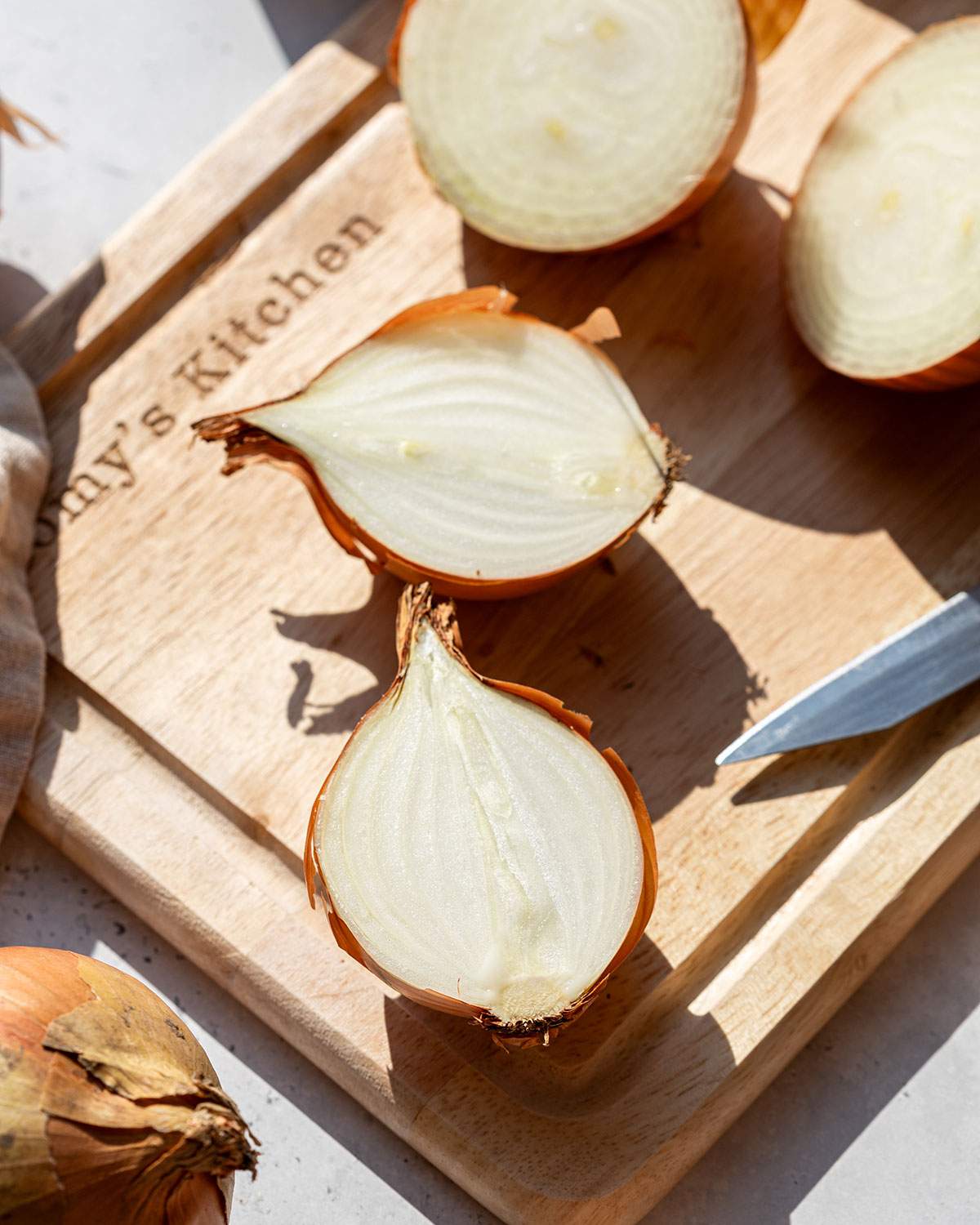
Place cut onions in the fridge in an airtight container, glass jar or silicone onion pod (like this one) to lock in freshness and prevent odors spreading. For the best taste and safety, use within 5-7 days.
Extra tip: Wrap onion halves tightly in plastic wrap before placing them in a container to reduce moisture loss.
3. Cooked Onions
Keep in a sealed container in the fridge for up to 3-5 days.
Cooked onions freeze well for up to 3 months - ideal for adding to soups, stews, or sauces later.
⚠️ Common Mistakes When Storing Onions
Let’s talk about a few mistakes I’ve made (yes, I’ve learned the hard way!) that you can avoid:
- Storing onions in plastic bags: This traps moisture and accelerates spoilage. Use a breathable option like a paper bag instead.
- Refrigerating whole onions: While it might seem like a good idea, storing whole onions in the refrigerator can cause them to become soft and lose their flavor.
- Storing onions with potatoes or other produce: Onions release ethylene gas, which can speed up the spoilage of nearby fruits and vegetables.
🔪 What to Do with Leftover or Sprouted Onions
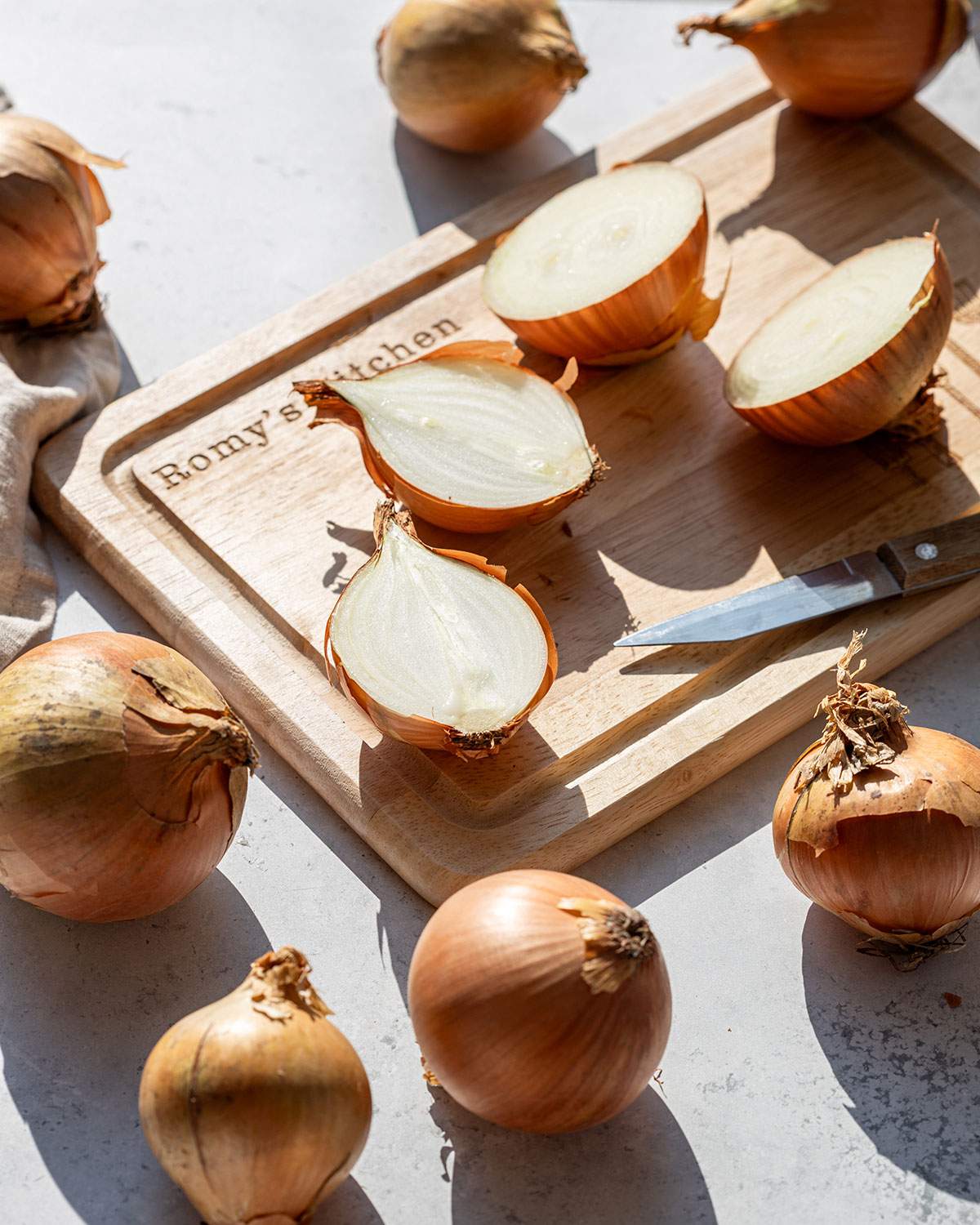
Have leftover onions or sprouted onions? Here’s how you can still use them:
- Leftover onions: Store them in the refrigerator in an airtight container and use them in soups, stews, or sautés within a few days.
- Sprouted onions: Cut off the sprouts and use the rest of the onion as you normally would. The sprouts can be bitter, so it’s best not to include them in your cooking.
If the onion is too far gone (think slimy texture, strong odors, or mold growth), it’s best to discard it.
Trust me, using a bad onion is not worth the risk of ruining your dish - or worse, dealing with foodborne illness.
🔜 Recipes For Using Up Onions
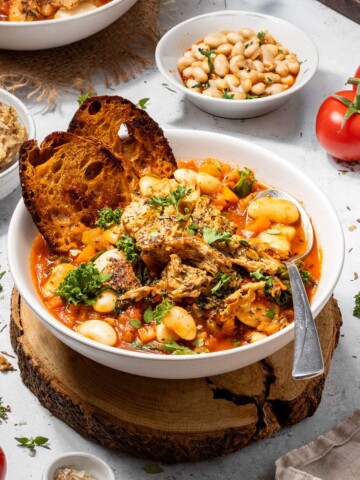
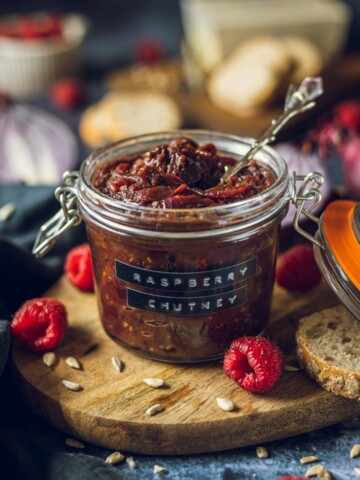

If you’re looking for more ways to use onions, check out my Raspberry & Red Onion Chutney for a sweet and tangy twist, or try this Vegan Butter Chickpea Curry for a hearty, flavorful meal!
💡 FAQs About Onion Storage and Spoilage
Whole onions can last several weeks to months if stored properly in a cool, dry place. Cut onions should be used within a few days, while cooked onions can last up to five days in the refrigerator.
Yes! You can dice onions and freeze them in a resealable freezer bag for up to six months. This is a great way to reduce food waste and always have onions ready for cooking.
Look for soft spots, brown spots, mold, and a sour or rotten smell. If the onion feels mushy or slimy, it’s no longer good to use.
Learning how to tell if an onion is bad is a skill every home cook should have!
And by checking for signs of spoilage, practicing proper storage and knowing when to toss an onion, you can ensure that your onions stay fresh and flavorful for as long as possible.
Remember, the best way to avoid bad onions is to start with fresh ones from the grocery store. Look for firm onions with papery skin and no visible soft spots or sprouts. And with a little care, your onions can last for a long time.
Got any onion tips or storage hacks? Let me know - I’d love to hear them!
© 2026 Romy London / Romina Callwitz | All images, videos, wordings and content are copyright protected and belong to Romina Callwitz. Please do not use any of my content without prior permission. If you wish to re-publish any (part of my) content, please get in touch via email. Thanks for your support!
*Disclosure: This page may contain affiliate links and sponsored links that earn me a small commission, at no additional cost to you. You can find more information in my Privacy Policy.

💭 Leave a Comment